The ADHD Hoax.
Yeah, I know you read the title of this post and thought I was going to say that ADHD isn’t a thing.
But that’s not what this post is about. In fact, my daughter has severe ADHD. We knew she had it almost from birth. She was always far more active than other kids, unable to sit still, and very impulsive. It all became problematic once she started school, and had trouble with all of that, along with her boundaries around other kids.
She is medicated for it, a decision that my husband and I easily made because without it, she could not function as a kid should.
But there is a hoax out there around ADHD. That hoax is a combination of myths that are couched in ‘wellness,’ but in reality, are not helping anyone who has ADHD.
Here are some of the more common ones:
ADHD doesn’t actually exist, and that it’s just kids being hyper or forced to sit for too long.
ADHD is over diagnosed, and kids are just pushed onto pills when they don’t need them.
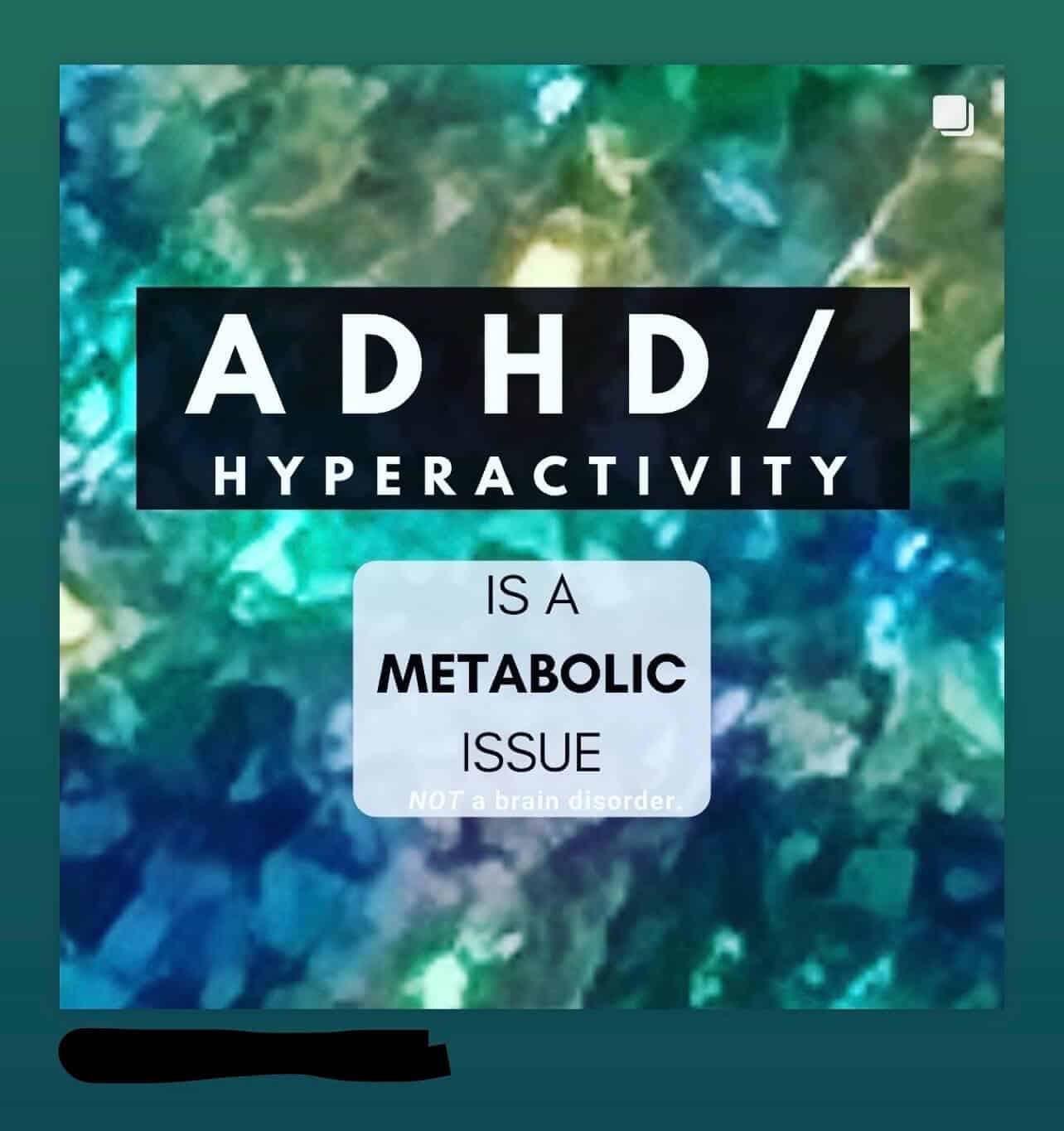
ADHD is not actually a brain chemistry situation, but a metabolic one.
ADHD can be ‘cured’ by living a ‘non-toxic lifestyle’ or with diet.
People with ADHD just need to learn to ‘control themselves.’
What is ADHD?
ADHD – attention deficit hyperactivity disorder – is a neurodevelopmental disorder that is diagnosed with its symptoms. We don’t really know what causes ADHD, but it appears to be highly genetic. It may also be caused by trauma, brain injury, exposure to lead, alcohol and drug use during pregnancy, or low birth weight.
ADHD is not a metabolic disease, a learning disability, or a mental health condition. And it definitely exists.
When I was growing up, ADHD wasn’t really spoken about. Instead, a kid who couldn’t sit still or focus was just a ‘bad kid,’ or ‘had no discipline.’ It was harmful and degrading to kids who actually had ADHD and whose symptoms and behaviour were thought to be intentional.
Some people suspect that ADHD is now over diagnosed, but thankfully, we have better tools to diagnose and understand this condition (especially in girls, a group that is thought to have been critically undiagnosed in the past), it’s understandable that diagnosis rates have gone up.
We believe that the same is true in the case of autism diagnoses, but we don’t see anyone saying that autism is ‘over diagnosed.’
We tend to think of ADHD as causing hyperactivity, but that’s not always the case.
People with ADHD Inattentive Type don’t present as hyper, but instead are easily distracted and may have issues staying on task, following conversations, and forgetting details.
In ADHD Hyperactive-Impulsive Type, there’s an inability to focus, lack of inhibition, and impulsivity.
Some people have a combination of the two types.
Aside from being tough to live with, ADHD comes with other risks.
People with ADHD are 2-3x more likely to abuse alcohol and drugs than those without ADHD. Kids with ADHD are at higher risk for addiction – and get addicted faster – at an earlier age than their non-ADHD counterparts.
Kids whose ADHD is treated with medication may experience a significant drop in their risk for addiction. Medications for ADHD increase dopamine in the brain, which helps to alleviate some of the symptoms.
Dopamine is a neurotransmitter that helps regulate our emotions and reward-seeking behavior. People with ADHD tend to have impaired dopamine reward pathways in their brains, which makes them more vulnerable to addiction.
Besides the increased risk for addiction, untreated ADHD can lead to depression and low self-esteem, risk-taking behaviour, and school failure.
People with ADHD can’t learn to ‘control’ their symptoms. That’s like telling someone to just stop being depressed already. The symptoms of ADHD are very real, and very disruptive to the person and everyone around them.
ADHD and diet.
Despite what you might read on social media, there is no specific diet for ADHD. While a nutritious diet is always important, there’s no one food or combination of foods that are going to cure ADHD or take away its symptoms. People with ADHD do often have issues with eating, though, which we talk about in a bit.
I spoke to Becca King, a Charlotte-based dietitian who specializes in treating kids and adults with ADHD. She sees parents of kids with ADHD trying to alleviate symptoms using everything from the Bean Protocol, to the GAPS diet, which removes dairy, gluten, soy, added sugar, and processed foods, to the elimination of red or other color food dyes.
The reasoning behind the removal of the above foods may stem from the belief that they’re ‘inflammatory,’ which isn’t the case for most people. There’s also a popular book called ‘Healing ADHD,’ that calls for the elimination of these foods.
This book is by a doctor who does brain scans and prescribes supplements according to the results, which isn’t legit at all.
People with ADHD don’t need to be ‘fixed,’ said King. Their brains are just wired differently, and this can’t be changed.’
It’s a red flag to even say that ADHD can be ‘healed,’ which implies a cure. Needless to say, plenty of doctors give our poor nutrition advice (Gundry, Hyman, and Oz come to mind…among many others).
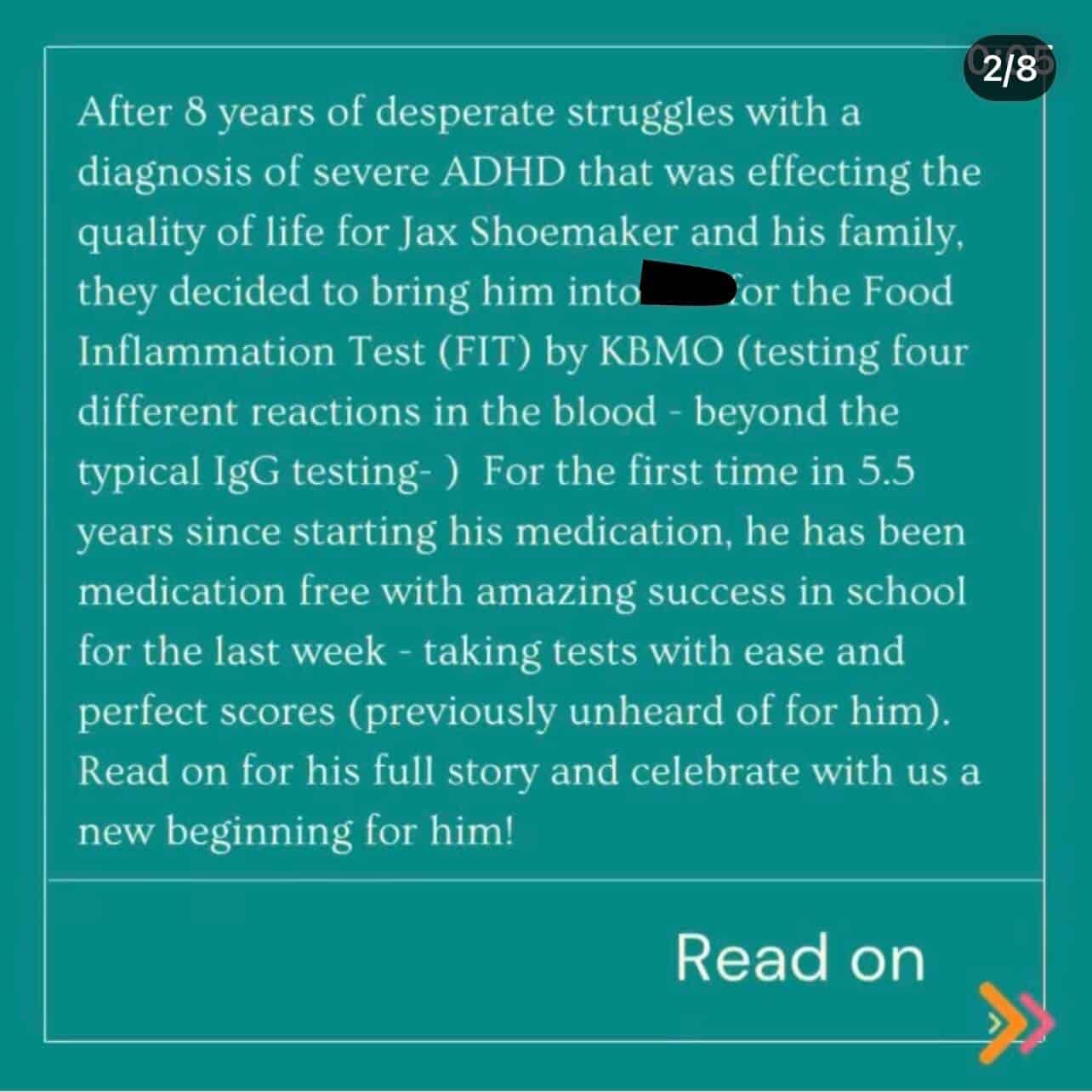
‘There is no solid research around diet and ADHD, King told me. ‘You can’t cure ADHD with diet.’
The GAPS diet, a lengthy elimination protocol, is a popular alternative treatment for ADHD. It’s also one red flag after another. This diet – which hypothesizes that bad gut bacteria is responsible for a whole host of conditions such as autism, ADHD, autoimmune disease, and eczema, to name a few, is restrictive and not evidence-based. Some of the theories it promotes – such as food combining and the acid/alkaline theory – are complete garbage.
GAPS is also low in fibre – which good gut bacteria feed on (contradicting the primary theory behind GAPS) – and can be very limiting. ‘Lots of kids have picky eating habits so it seems counterproductive to remove foods from their diet unnecessarily,’ says King. ‘ADHD kids and adults can be more selective than others, because they often also have sensory processing disorders.’
King does say that she sees some people claiming that red dyes make ADHD symptoms worse. Before recommending the removal of dyes altogether, she tells clients to monitor the symptoms first, to see if they’re linked to the dyes.
It’s important to understand that a sensitivity to red food dye isn’t a symptom of ADHD. It may be just that: a sensitivity to red dye. If your kid’s behaviour is completely different after they stop eating food dyes, then maybe ADHD might not be their issue.
It’s stressful for you and your kids to micromanage their food instead of teaching them good habits. And, many of these diets are eating plans that need to be followed forever. This can be close to impossible.
And while feeding your kid a nourishing diet may help give them sustainable energy, removing the red dyes and carbs and whatever from their diet is just not based in evidence.
Sidebar: It’s important to consider that if you or your kids respond to natural ADHD ‘cures,’ they may not have had ADHD in the first place.
Still, there’s a ton of content out there that promotes ‘healing’ ADHD with a natural or ‘non-toxic’ diet and lifestyle. And much of this content is directed at parents of kids who have ADHD, who are looking for medication-free ways to manage this condition.
ADHD medications are safe, and there shouldn’t be a stigma around them. You are NOT a bad parent for putting your kids on medications for this condition, or for any condition.
The ‘natural’ hook is tempting, especially when it’s sold to skeptical parents as a ‘less dangerous’ way to treat behavioural symptoms in their kids. Alternative treatments are often sold to parents in a passive aggressive way that suggests that they’re ‘giving up’ if they give their kid medications, and shames them into thinking that something they’re doing is causing the ADHD – like feeding the child the wrong food, or not using the right cleaning products.
None of that is true, of course, but appealing to emotions – good or bad – is a great way to sell things.
We need to realize that ADHD is a disorder like any other, and where you’d hopefully not try to ‘heal’ your kid’s broken leg or strep throat or god forbid, cancer, with ‘natural’ supplements or diet, you shouldn’t feel as though you have to do that for their ADHD (or your own).
Just because it’s behavioural and not physical, doesn’t mean ADHD is any less impactful on a person’s life.
Relying solely on ‘natural,’ unproven remedies for ADHD potentially hurts kids who are struggling, because they may fail to get the help they need.
Not every person with ADHD will need medication. But withholding it from those who do, because some random on the internet told you to, isn’t the right thing to do.
ADHD and supplements.
One of the most common themes in any of the ‘natural’ ADHD treatments is the addition of supplements, commonly zinc, magnesium, and iron.
But there’s no definitive evidence behind taking any of these or other supplements for ADHD. If someone is deficient in these minerals, then they may see an improvement in how they feel. Otherwise, taking them isn’t warranted.
The only supplement that is well researched for ADHD (but more research is needed) is omega-3. One popular supplement brand advertises one of its formulation as ‘ADHD-targeted,’ which is misleading and unethical.
Evidence is variable but overall seems to point to a modest improvement with omega-3 fatty acids and ADHD and here and here, only in boys,
Still, says King, leaders in the ADHD community recommend omega-3s, and some people say they see benefits from it. The dosage is around 2000-3000mg for adults and around 1500mg for kids.
EPA may help kids who have low starting levels of the fatty acid; not if their levels are normal.
Supplements, although they may be thought of as ‘natural,’ can still be harmful. Please consult with your doctor and pharmacist before taking them or before giving them to your kids.
Tips for eating with ADHD.
Common eating issues in people who have ADHD are:
Binge eating, as a part of impulsivity, stimulation with food, and/or reward-seeking behavior.
Medication-related poor appetite.
Indecision around what to eat, which can lead to not eating at all.
Says King, ‘My clients whose parents never allowed them sweets because they had ADHD now binge eat them. This is exacerbated for ADHD kids because it’s just stimulation.’
Have a meal routine. Predictability and routine are often helpful for people with ADHD, who are often thrown off by change or unpredictability.
Have meals and snacks planned out if possible, and have options ready to go – cut up fruits and vegetables, pieces of cheese, nuts, and snack bars. This can help with indecision and help keep meals and snacks on schedule.
Every meal should have at least a protein and a fruit or vegetable. Protein promotes satiety, and fruits and vegetables deliver nourishing vitamins and fibre. Whole grains are important, too.
Eat or offer a variety of foods to ensure an adequate intake of nutrients like iron, zinc, magnesium, and vitamin D.
Schedule grocery runs to ensure your home is stocked.
Do not let yourself or your child get too hungry. This can lead to overeating out of hunger.
Don’t make any food off-limits, which can lead to ‘forbidden fruit syndrome’ and overeating of that food.
If you or your child has ADHD, and is experiencing any eating issues, the best person to consult is an RD who specializes in treating people with ADHD. Working with an RD will ensure that you get the best advice, but also will be followed and assessment for diet adequacy.